A Kind Word at the Right Moment That Prevents a Whole Argument
How a kind word said at the right moment eases family tension‚ teaches children respectful communication and strengthens bonds.
The Timing of a Word That Changes the Course
The impact of a kind word depends less on its content and more on the moment it is said. When people feel heard before they are judged‚ they open up. If a compliment or acknowledgment comes right after a misunderstanding‚ it is perceived as defensive‚ but if it is said beforehand‚ it becomes a key. A kind word at the right moment shows attention. It does not cover up the situation but defuses tension‚ and precisely because it is said out of presence rather than a need to calm things down‚ it truly makes a difference.
Choosing Words That Strengthen Rather Than Defend
Every home has conversations based on years of familiarity‚ and sometimes on unconscious habits. Wording that sounds innocent to one person can sound like a jab to another‚ and vice versa. A kind word is not necessarily a compliment; sometimes it is a simple expression of recognition: "I saw how hard you tried"‚ "You paid attention to the details" or "It mattered to you that it came out just right". Such phrases do not provoke defensiveness but convey mutual respect. They build a sense of partnership and remind everyone that the goal is not to win but to understand.
The Role of a Moment of Silence Before Responding
One of the most meaningful tools in family conversation is pausing. A few seconds of silence let you feel the weight of what was said and understand what was really meant‚ not just what was heard. In that small gap‚ a choice becomes possible: to fire back a sharp reply or to add a softening word that brings the tone back to calm. That silence is not weakness but an act of self-control that gives the kind voice room before the autopilot of the argument takes over.
How a Calm Environment Affects Communication
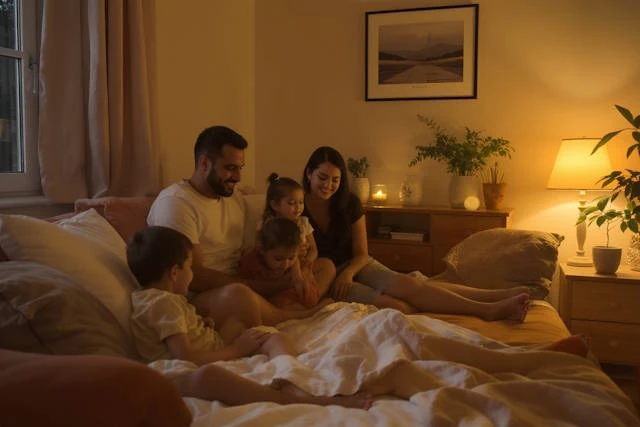
When the home is arranged in a relaxed way - without excess noise‚ harsh lighting or a sense of constant pressure - words are chosen differently‚ too. An atmosphere of emotional safety makes people speak more slowly‚ listen better and respond in a way that allows real dialogue. Such an environment does not happen by chance; it is the product of small daily choices: fewer messages during meals‚ more listening while tidying the house‚ short talks before bed in which nothing gets solved and people simply listen.
A Parent Who Listens Teaches a New Way to Talk
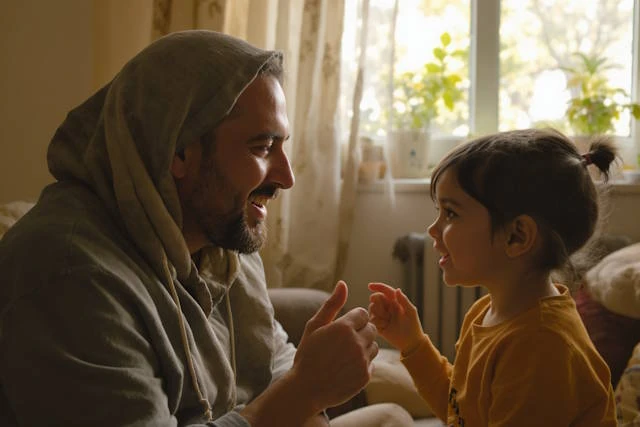
Parents are children's first example of how disagreements are handled. When children see a kind word replace an angry tone‚ they learn a model of communication that is respectful even when it disagrees. The result is not just a moment of quiet but a whole educational process. A parent who says "I understood what you were trying to say" before making a remark teaches the child that the goal is understanding‚ not control. This creates a family dynamic in which everyone feels free to speak without fear.
Balancing Gentle Humor Instead of Criticism
In some families‚ humor serves as a buffer against tension. A quick joke‚ a small wink or a half-smile at the right moment can turn a charged situation into a pleasant conversation. However‚ the line between humor that lightens the mood and mockery is thin. When humor comes from empathy‚ it softens. When it comes from cynicism‚ it makes things worse. A kind word can also come in the form of humor - but only when it preserves the other person's dignity and makes clear that the aim is closeness‚ not a verbal victory.
The Role of Small Rituals in Healthy Communication
Over the years‚ families develop habits that create security: a regular meal at the end of the day‚ a short evening talk‚ a hug before leaving the house. Within these rituals‚ the ground for a kind word is formed. It is not tossed out at random but woven into a familiar rhythm. This creates a continuity that makes it easy to fix mistakes‚ because the family's emotional system is used to hearing kind words naturally and not only in times of crisis.
How a Word Affects the Sense of Worth at Home
When family members hear words that express trust - even short and simple ones - a sense of self-worth is built. This feeling affects the way people speak‚ their patience and their ability to hold a conversation without sliding into attack. The emotional security created by a kind word is not fleeting; it builds over time and carries beyond the home. Children who grow up in an environment that values respectful dialogue bring the same sensitivity to friends‚ partners and workplaces.
The Power of Shared Responsibility for Communication
In a home where everyone takes responsibility for their own tone‚ arguments get shorter and listening grows. A kind word is not the job of just one family member; it is a mutual flow. When a child says an encouraging word to a parent‚ or when one family member notices another's effort‚ a positive circle forms in which everyone feels like a partner in keeping the peace. This shared responsibility is what keeps small tensions from turning into serious disputes.
Choosing an Open Emotional Language
The ability to say a kind word at the right moment requires a rich emotional vocabulary. The more family members allow themselves to use words that express feelings - such as appreciation‚ excitement or concern - the easier it is to talk about delicate situations as well. Instead of emotion showing up as anger‚ it is translated into words. This emotional language is an important educational tool: it teaches everyone that expressing feelings is not weakness but a way to create connection.
The Benefit of Positive Emotional Memories
The memory of an argument fades slowly‚ but the memory of a kind word stays. When you return to a moment when someone praised you or pointed out something small that was done well‚ a new emotional foundation is formed. The next time tension arises‚ it eases on its own‚ because the earlier memory is a reminder that things can be different. A positive pattern develops that relies on past experience and not only on instinctive reaction. Over time‚ the whole home changes the tune in which it speaks.
How a Kind Word Helps Neighbors and the Community
Positive communication does not end at the front door. When a kind word is given to a neighbor‚ a teacher or the regular shopkeeper‚ it echoes through the community. Small relationships are built on the same principles: timing‚ listening and empathy. The local community becomes safer when the way people talk in it is moderate and encouraging. Every small gesture becomes part of a large circle of healthy and accepting relationships.
How a Word Affects the Process of Reconciliation
After a period of tension‚ it is hard to start a conversation without hidden anger. A kind word can break the ice without dramatic declarations. "We missed our old talks" or "We were glad to see you back" are small phrases that restore trust. Reconciliation based on gentleness rather than blame lasts longer. The power of a kind word lies in allowing a fresh start without demanding that the other side give in right away.
Staying Authentic Even in Charged Moments
Not every kind word has to be planned. Sometimes simple honesty - admitting a difficulty or sincerely appreciating someone's patience - creates the most meaningful moment. People sense when a gesture is genuine. When it comes from listening rather than pretending‚ it goes deeper and leaves a mark. Authenticity keeps the word from becoming a cliché and preserves the trust at its core.
Strengthening a Relationship Through Softer Communication
In long-term relationships‚ arguments keep returning to the same topics. A kind word at the right time breaks the routine of repetition. It is a reminder that there is a person listening behind the patterns. Instead of entering a fight‚ a sense of partnership emerges - us against the difficulty‚ not against each other. In a relationship‚ too‚ a kind word is not a romantic extra but part of the foundation that allows a pleasant and healthy life together over time.
The Role of Everyday Moments of Thanks
Thanking someone for a routine act - tidying up‚ fixing something or even staying silent at the right moment - makes them feel seen. When thanks are said in real time and not only on festive occasions‚ they strengthen the bond. People need recognition of their efforts‚ not only of their results. Small moments like these build a sense of the family as one organism in which everyone matters‚ even when they are not the center of attention.
Keeping a Sensitive Family Language Alive
A sensitive language is not born in a day. It is the product of practice‚ mistakes and corrections. The more a family returns again and again to choosing kind words‚ the more a new inner culture takes shape. Children grow up in a system where calm communication is the default‚ and adults enjoy a circle that returns positive energy to them. This is not an idyll but the result of consistent investment in choosing the right moments to speak kindly.
Summary
A kind word at the right moment is not a slogan but a delicate skill of listening‚ timing and sensitivity. It protects family relationships from wear‚ reduces arguments and creates an atmosphere of mutual respect. The more this habit takes root‚ the more the home becomes a place where everyone feels safe to speak and be heard. The power of a single word - when it is said sincerely and with an open heart - is greater than any explanation and stays with you long after the conversation is over.