Recessed Lighting That Adds Calm Without Effort
How recessed fixtures and hidden lighting give a home soft indirect light‚ a greater sense of space and a genuinely calm atmosphere.
The Psychological Effect of Soft Lighting
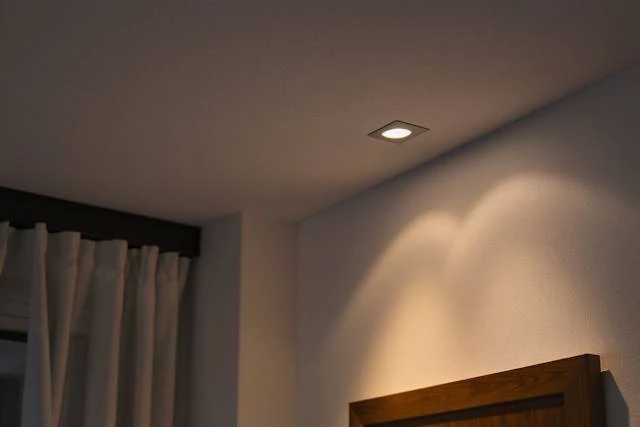
Lighting affects mood more than any other design element. Light that is too strong is tiring‚ while light that is too dim creates a heavy feeling. Recessed lighting sits right in the middle - it illuminates indirectly‚ gently and pleasantly. It does not dazzle and does not steal attention. When placed correctly‚ it creates a sense of calm and balance‚ as if the walls themselves were breathing light. The brain responds to this visual quiet with a feeling of ease‚ making the home a place suited to real relaxation and rest.
Choosing the Right Placement as a Condition for Balance
Where recessed lighting is placed shapes the whole atmosphere of a room. In ceilings it gives a sense of height and space‚ and in walls it creates depth and warmth. When it is built into niches‚ under shelves or along walkways‚ the light seems to flow naturally. Instead of separate points of light‚ you get a continuous line that gently guides the eye. That is why recessed lighting is seen as elegant: it is not just a technical solution but a language of light that speaks softly.
How Minimalist Design Shapes a Sense of Calm
Modern design leans toward restraint‚ clarity and simplicity. Recessed lighting fits this approach perfectly - it adds no clutter and actually reduces it. Because there is no prominent fixture‚ walls and ceilings stay clean. Hiding the light source highlights the material itself - whether plaster‚ wood or exposed concrete. The resulting visual quiet recalls the Japanese principle of "ma" - space that lets you breathe. Once the eye is not busy with unnecessary details‚ the mind relaxes too.
Combining Recessed Lighting with Depth of Color
One of the great advantages of recessed lighting is its ability to bring out colors and textures. When light comes from a hidden angle‚ it creates subtle plays of light and shadow. Dark colors gain depth‚ light ones look softer‚ and textured surfaces - such as a concrete or wooden wall - come alive. The link between recessed lighting and color is a dialogue of gentle contrasts that adds interest without noise. The light does not "paint" the wall but lets it speak quietly.
Adapting Recessed Lighting to Different Spaces in the Home
In the living room it creates a calm backdrop that highlights the furniture. In the kitchen it provides focused task lighting without crowding the space. In the bedroom it gives a warm atmosphere that invites rest‚ and in the bathroom - a natural spa feel. Even in hallways‚ recessed lighting along the wall or floor turns an everyday passage into a soft and inviting experience. Its ability to adapt to every space without changing its identity is what makes it so effective and timeless.
The Technology Behind the Calm
Behind the simplicity of recessed lighting lies advanced technology. Energy-saving LED bulbs‚ precise dimmers and small fixtures allow fine control over light intensity. Every small change in brightness affects the mood and the way the room is perceived. Thanks to this technology‚ harsh light can be swapped for warm‚ soft light in the evening‚ creating a natural transition from day to night. Lighting thus becomes part of the rhythm of life‚ not just a design add-on.
How Recessed Lighting Affects the Sense of Space
Direct light tends to emphasize lines and create boundaries‚ while recessed light blurs them. That is why a room lit with recessed lighting feels larger‚ lighter and more open. The light washes over the walls instead of focusing on one spot‚ which widens the visual impression. In small spaces this is a huge advantage - the light does not clash but flows. In large spaces it prevents a feeling of emptiness and provides a soft frame that ties the elements together.
Combining Recessed Lighting with Natural Light
Natural light changes throughout the day‚ and recessed lighting can continue that movement after dark. When it is planned around the direction of the windows‚ a continuous dialogue forms between full daylight and gentle artificial light. In the morning it is barely noticeable‚ and in the evening it takes over without changing the character of the room. This keeps a sense of continuity that mirrors nature's cycle of light inside the home.
Choosing Materials That Complement the Light
The effect of recessed lighting also depends on the materials around it. Wood‚ frosted glass‚ mineral plaster and natural stone each respond differently to every shade of light. Light-colored materials reflect it‚ dark ones absorb it and glossy ones scatter it. Combining them creates a balanced effect of depth and cleanness. The trick is to choose not only by taste but by how the light will move through the space. Recessed lighting lets the material be the star without stealing its stage.
How Recessed Lighting Shapes the Sense of Time at Home
The right lighting also affects the pace of life. Cool light energizes‚ and warm light soothes. With recessed lighting you can move between them gradually‚ according to the time of day or the desired mood. When light blends naturally into your routine‚ a sense of stability emerges. The home feels in sync with the body - waking in the morning with bright light and settling down in the evening with melting light. It is a kind of invisible quiet that seeps in without you noticing.
How Minimal Maintenance Adds to Peace of Mind
One of the big advantages of recessed lighting is that it needs almost no maintenance. LED bulbs last thousands of hours‚ and the fixtures themselves are protected from dust and moisture. Because it needs no regular attention‚ you can simply forget about it - and that is exactly the secret of its charm. Calm also comes from the absence of worry. The lighting is simply there‚ working and shining even when nobody thinks about it.
The Link Between Recessed Lighting and Architecture
Many architects see recessed lighting as an inseparable part of the structure itself. It blends invisibly into drywall‚ walls or ceilings‚ until the light seems to come from the walls. In this sense it becomes part of the architecture - not an addition but a foundation. The home takes on a more unified form‚ and the transitions between spaces feel natural. Lighting is not decoration but an expression of an architectural language of balance and harmony.
Recessed Lighting and Emotional Light
Beyond aesthetics‚ lighting also affects mood. Soft‚ gently diffused light relaxes the body and brings a sense of security. There is no feeling of threat or harshness‚ only the gentle embrace of a space that feels safe. This is not just design - it is the psychology of light. When the lighting is right‚ it creates an inner harmony that is felt even after the lights go out.
Recessed Lighting in the Design of the Future
As technology advances‚ recessed lighting is becoming smarter - controllable by voice‚ app or automatic scheduling. Yet even as it grows more sophisticated‚ it keeps its simplicity. The future of lighting is not more power but more sensitivity. The trend is moving toward lighting that recognizes mood and needs and adjusts itself accordingly. Light becomes a partner in life - present‚ soft and attentive.
In Summary
Recessed lighting that adds calm without effort is more than a design choice - it is a statement about a way of life. It brings balance between technology and humanity‚ between precision and simplicity‚ between visibility and quiet. It lets the home speak in a calm language in which every wall and every corner gets exactly the light it needs. Instead of drawing attention‚ it makes room for breath‚ presence and life itself. This is not just lighting - it is a feeling of calm that begins with light and stays in the heart.