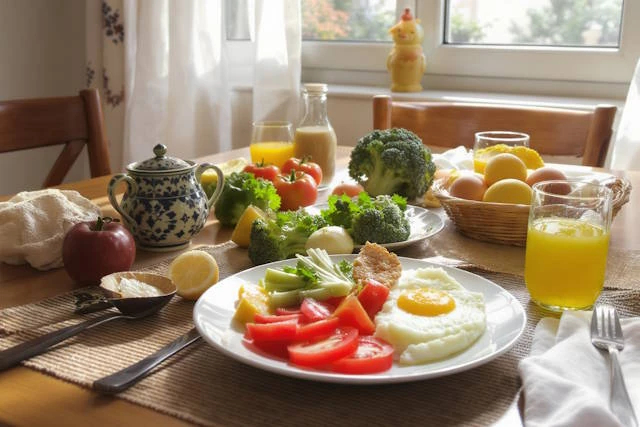
A Green Touch That Brings Every Dish to Life
How fresh herbs and green vegetables change the flavor‚ aroma‚ texture and look of a dish‚ and how to cook them so they keep their color and value.
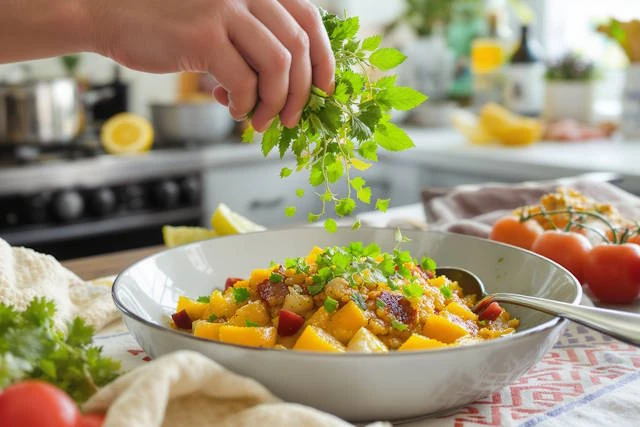
Green as an Element of Life and Freshness
No color evokes a sense of life like green. It symbolizes nature‚ balance and calm‚ and gives food a feeling of freshness even before you taste it. When it appears on the plate‚ whether as chopped parsley‚ a basil sauce or a small side salad‚ it makes the dish more "alive". Visually‚ a green addition breaks the monotony of cooked colors such as brown‚ white or red‚ and creates a contrast that draws the eye. Psychologically too‚ green makes the brain associate food with health and freshness. So whether it is a pasta dish‚ a hearty stew or a warm pastry‚ a green addition makes it more inviting.
Choosing Greens by Type of Dish
Each type of green suits a different context. Parsley gives a sharp‚ refreshing scent‚ dill goes well with fish dishes‚ basil complements pasta and cheeses‚ and cilantro adds depth to Asian and Middle Eastern dishes. Green vegetables such as broccoli‚ asparagus or spinach serve not only as a side but as the basis for a whole dish. When the type of green is matched to the dominant flavors of the dish‚ a harmony is created that balances the ingredients. In a heavy dish‚ the green refreshes and lightens; in a delicate one‚ it enhances the flavors. This is one of the reasons many chefs treat herbs as a living seasoning‚ one that not only adds flavor but also changes the overall feel.
How Greens Affect Aroma and Palate
Fresh herbs release a unique aroma that heightens the eating experience. The smell of fresh mint or warm thyme can completely change how a dish is perceived. When fresh greens are added right at the end of cooking‚ their scent mingles with the steam and gives a sense of vitality. In terms of taste‚ too‚ there is an extra layer of depth. Greens balance saltiness‚ acidity and fattiness. They open up the palate‚ stimulate the appetite and make the other flavors "wake up". In fact‚ green is a kind of mediator between all the components of the dish: not the lead‚ but a supporting actor who holds the whole show together.
The Link Between Greens and Physical Health
Fresh greens are not just pleasing to the eye; they are rich in nutrients such as iron‚ dietary fiber‚ antioxidants and essential vitamins. They help strengthen the immune system‚ improve metabolism and support skin health. Regularly eating green vegetables is also linked to balanced blood sugar and cholesterol levels. When greens become an integral part of the menu‚ the body gets a boost of oxygen and lightness. Instead of finishing a meal feeling heavy‚ you feel refreshed‚ a sign that the food is "working" properly with the body and not against it.
The Effect of Texture on the Eating Experience
A green addition also changes the texture of a dish. Fresh leaves add a delicate crunch‚ chopped herbs blend in softly‚ and stir-fried green vegetables give an interesting contrast to each bite. This texture is not only tasty; it creates interest and prevents culinary boredom. Textural richness makes the diner more engaged. Instead of eating on autopilot‚ every bite invites attention. So even the simplest meal‚ an omelet‚ rice or pasta‚ becomes a full and varied experience.
Greens in Modern Cooking
In contemporary kitchens‚ green is no longer a side addition but a leading ingredient. Warm salads‚ green juices‚ pesto‚ herb oils and natural sauces have become an integral part of restaurant menus. At home too‚ you can see how green is spreading‚ from homemade seasoning blends to healthy morning smoothies. The use of greens reflects a broad trend toward more natural and mindful cooking. The return to fresh ingredients‚ to the seasons and to direct contact with food is an expression of awareness and a desire for a simpler‚ healthier life.
The Psychological Effect of Green on Diners
Research suggests that colors affect our sense of taste and the culinary experience. Many people see green as a symbol of health‚ cleanliness and lightness. When a dish is served with prominent greens‚ diners tend to rate it as tastier and fresher‚ even if nothing in the recipe has changed. Beyond that‚ green affects mood. It creates a sense of calm and balance‚ brings nature to mind and helps the body settle into a more relaxed state. That is why at events‚ in restaurants and at home meals alike‚ adding green to the plate is part of the overall experience and not just of the recipe.
Cooking Methods That Preserve Color and Value
One way to keep greens beautiful and nutritious is to keep cooking times short. Long cooking destroys color and texture‚ while steaming or a quick stir-fry preserves their vitality. Adding fresh greens right before serving also keeps their natural aroma. Cutting them correctly is just as important. A rough chop keeps a natural look and a distinct presence in the flavor‚ while fine cutting suits sauces and delicate seasonings. Understanding how to handle greens is part of the art of cooking: the subtleties that separate a good meal from an unforgettable one.
The Connection Between Nature and Culinary Aesthetics
A green addition creates a bridge between the outside world and the nature within. It connects soil‚ sun and water with the plate on the table. There is something in it that brings us back to simplicity‚ to the raw ingredient and to respect for food. In plating terms‚ too‚ green is a guiding line. It creates depth‚ highlights other colors and adds movement and visual interest. It is proof that good food starts with the eye‚ and only then with the palate.
In Summary
A green touch that brings every dish to life is much more than a design detail. It is the way nature blends with the kitchen‚ where health meets flavor and simplicity gains depth. Green is the color of balance: between taste and aroma‚ between body and soul. In every meal‚ even an everyday one‚ a small touch of green changes everything‚ making the food more beautiful‚ fresher and healthier. It is a small secret that gives every table life‚ calm and renewed energy‚ one of the small and great pleasures of the kitchen.