The Precise Cooking Temperature That Turns Good into Perfect
Why the right cooking temperature and timing decide the flavor‚ texture‚ color‚ aroma and nutritional value of every dish.
Heat as the Key to Flavor and Texture
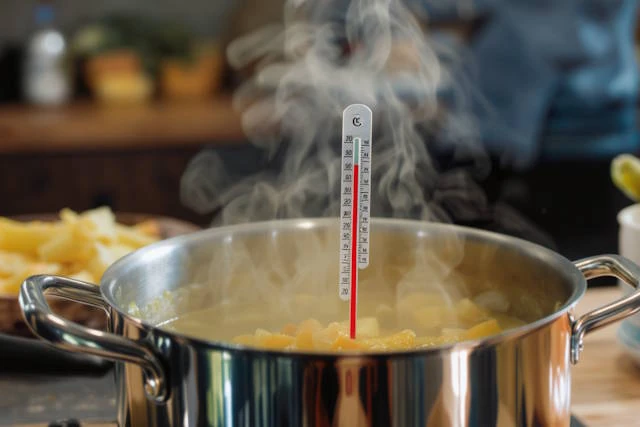
When the cooking temperature is right‚ food changes in exactly the desired way - proteins set to just the right degree‚ vegetables keep their natural color and vitamins do not break down. Cooking at too high a temperature burns the outside and dries out the inside‚ while too low a temperature leaves food raw or bland. Balance is the key - the point at which energy is transferred evenly to every part of the dish. Great chefs treat heat like music - every ingredient has its own rhythm. A soft-boiled egg cooks right on the border between liquid and solid‚ a good cut of meat needs moderate heat that opens up its flavor without drying it out‚ and even pasta feels different when the water boils at a steady temperature.
Choosing Cookware That Suits the Temperature
It is not enough to know the right temperature - the cookware must also be able to hold it. A heavy cast-iron pot‚ for example‚ spreads heat evenly and prevents hot spots‚ while a thin pan may scorch some parts and leave others undercooked. Quality cookware keeps a stable temperature even when the flame changes‚ and that is what allows precise control. Using the right lid‚ choosing a pot or pan to suit the food and understanding how heat is transferred all create optimal conditions for a perfect result.
The Science Behind Temperature
Behind every cooking process lies a simple yet fascinating science. At 68 degrees‚ for example‚ egg protein starts to set; at 120 degrees‚ caramelization begins‚ adding color and flavor; and above 160 degrees‚ Maillard reactions take place‚ responsible for the aroma and taste of seared meat or a well-baked pastry. Understanding these ranges makes precise cooking possible without guesswork. You can sense when the onion has reached just the right translucency‚ when the pasta is "al dente" and when the pastry is ready to come out of the oven. Precision with temperature is really mastery of the chemistry of food.
How Temperature Affects Color and Aroma
Beyond taste and texture‚ appearance and smell are also directly affected by temperature. The golden color of baked bread or the aroma of oven-roasted vegetables is not a matter of luck - it is the result of precise cooking. When the heat is balanced‚ food takes on an even color‚ a natural and pleasant aroma and a texture that lasts. When the temperature is off balance‚ food loses its color or turns bitter. A trained eye can immediately tell when heat was well controlled - the plate speaks for itself.
Time as Part of Temperature Control
Temperature does not work alone - time is its inseparable partner. A high temperature for a short time can give a completely different result from a low temperature for a long time. In long‚ gentle cooking‚ as in stews or slow-roasted meat‚ depths of flavor develop that cannot be replaced. A quick stir-fry over high heat‚ on the other hand‚ creates crunch and sharper flavors. The precise combination of time and heat gives full control over the result. This creates that rare balance in which every component of the dish gets exactly the attention it needs.
The Link Between Patience and a Perfect Result
One of the most common mistakes in the kitchen is impatience. Many people turn up the heat to "speed things up"‚ but in doing so they lose control. Precise temperature requires patience - letting the heat do its work gradually. Good cooking is a kind of dialogue between person and food - allowing‚ not rushing‚ understanding that time is part of the flavor. When you give a dish its time‚ it gives back in quality‚ aroma and a satisfaction that is hard to put into words.
Choosing Cooking Techniques by Type of Heat
Not all cooking calls for direct heat. Sometimes indirect heat - as in baking or steaming - better preserves nutritional value and flavor. Techniques such as sous vide (vacuum-sealed cooking at a precise temperature) are based on a simple principle: complete control of heat over time. This kind of cooking delivers an even‚ perfect result because the food is never exposed to extreme temperatures. In a home kitchen‚ you can apply the same idea with an oven‚ a double boiler or even clever use of a lid and a low flame.
The Link Between Precise Temperature and Health
Cooking properly at a precise temperature not only improves flavor but also protects health. Overcooked food loses important vitamins and minerals‚ while too low a temperature can leave bacteria in it. Keeping to the correct heat ranges ensures both safety and the best nutritional value. Gentle cooking also reduces the need for excess oil and artificial flavorings. When an ingredient is treated properly‚ it speaks for itself - with no need to hide its original taste.
The Emotional Side of Precision in Cooking
There is something especially satisfying about knowing that a dish came out exactly as planned. Success like this does not come from luck but from control of heat and process. That feeling - seeing‚ smelling and tasting the result - sharpens the understanding that cooking is a creative act. The combination of attention to detail and technical precision builds self-confidence in the kitchen. Every dish that succeeds increases faith in your own ability‚ and the kitchen turns from a technical place into a space for expression and creativity.
To Sum Up
The precise cooking temperature that separates good from perfect is not just a professional chef's secret - it is an understanding anyone can adopt at home. Controlling heat is not a matter of advanced appliances but of attention‚ listening and experience. When you treat temperature as an inseparable part of the process‚ every dish becomes more precise‚ tastier and more balanced. Heat turns from a technical routine into a means of expression‚ and the kitchen into a place where any simple meal can become a perfect experience.