Quality Engine Oil That Keeps Performance Going for the Long Run
How quality engine oil protects the engine‚ saves fuel and preserves the value of your car‚ and why changing it on time matters.
The Central Role of Engine Oil
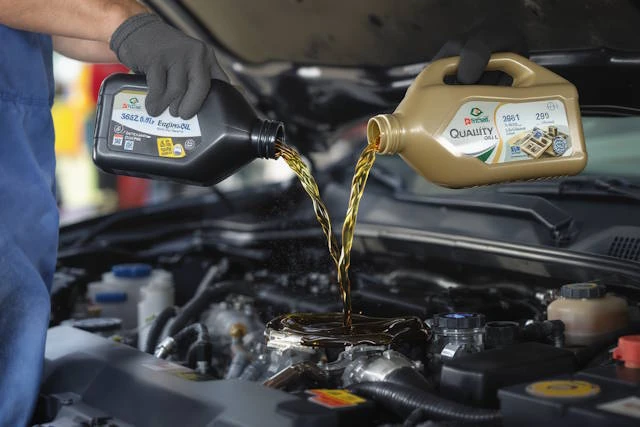
Engine oil works on several levels at once - it lubricates moving metal parts‚ prevents friction‚ cools the system and cleans away dirt created during combustion. Without a layer of oil‚ every movement inside the engine would come with rapid wear and unusual metallic noise. Quality oil forms an even protective film that separates metal parts‚ disperses heat and prevents wear. Its vital role makes it one of the smallest yet most significant elements of car maintenance.
The Link Between Oil Quality and Engine Performance
Oil quality directly affects how the engine responds and delivers power. A quality oil with precise viscosity allows smooth flow even in extreme conditions - whether on a hot summer day or a cold winter morning. Advanced oils stand out for their ability to retain their properties over time without breaking down or losing effectiveness. The result is an engine that sounds quieter‚ responds better and shows balanced fuel consumption.
Choosing Oil by Engine Type
Not every oil suits every car. Petrol‚ diesel and turbo engines require different types of oil‚ each tailored to the design and needs of the system. Fully synthetic oil provides broad protection and suits new or high-performance cars‚ while semi-synthetic oils suit older vehicles. Matching the right oil according to the manufacturer's instructions keeps the engine in good condition and prevents future faults. It is a technical decision but also a financial one‚ since the right oil reduces the need for unnecessary repairs.
How Regular Changes Affect Engine Life
Even quality oil gradually loses its properties. Dirt‚ soot and fuel residues get into it and reduce its effectiveness. Regular changes according to the manufacturer's instructions are the only way to maintain a high level of performance. Drivers who skip timely changes may face higher fuel consumption‚ unusual engine heat and accelerated wear. Consistent maintenance keeps the oil flowing clean and the engine running smoothly for years.
The Link Between Engine Oil and Temperature
Quality engine oil must withstand a wide range of temperatures. While the engine warms up‚ the oil needs to flow quickly and form a protective layer even when it is still cold. Later‚ when the engine is hot‚ it must remain stable without becoming too thin. Advanced technologies let modern oils adapt to changing conditions‚ maintain balanced viscosity and ensure stable performance in every season. This is one of the main factors that separates basic oils from professional ones.
How Driving Conditions Affect Oil Performance
Road conditions have a significant effect on oil. City driving with frequent stops‚ high engine heat and less airflow calls for a more durable oil. Highway driving‚ where the engine runs continuously‚ wears the oil less. Matching the type of oil to your driving style ensures you get the most out of its properties and prevents early oxidation of its components.
The Link Between Engine Oil and Fuel Savings
Quality oil contributes to energy efficiency. When the engine runs smoothly‚ less effort is needed to move its parts. Low-friction oils reduce the mechanical load and thus cut fuel consumption. They also help maintain a balanced operating temperature‚ which prevents unnecessary energy waste. That is why investing in quality oil pays for itself over time - both in performance and in your pocket.
The Importance of Standards and Manufacturer Approval
Quality oils differ not only in their composition but also in meeting international standards and car manufacturer approvals. Standards such as API‚ ACEA or ILSAC ensure that the oil has been tested under strict conditions and meets the demands of modern engines. Using an oil with the right standard prevents faults caused by differences in chemical composition or viscosity. When it comes to sensitive engines‚ choosing the right standard is critical for ensuring long-term performance.
How Oil Quality Affects Engine Cleanliness
Quality engine oil does not just lubricate; it also cleans. It collects combustion residues and dirt and keeps them from building up on engine parts. Cheap oils tend to leave deposits and soot‚ which lead to clogging and poor performance. Advanced oils‚ by contrast‚ keep the inside clean and ensure free oil flow at all times. This is a significant advantage that directly affects the life of the engine.
Choosing the Right Time to Change
The change routine is not the same for every car. New cars with advanced systems can travel longer distances between changes‚ while older engines need more frequent care. The weather also matters - in a hot climate‚ closer monitoring is needed. Drivers who check their oil every few weeks avoid surprises and spot a drop in quality early. Sticking to the same habit over time ensures steady performance and a sense of confidence on every drive.
How Quality Oil Affects the Value of the Car
A car that has been serviced with quality oils throughout its life holds its value better. When selling‚ an orderly service history that includes quality oil shows responsible maintenance and attracts more serious buyers. Beyond that‚ a well-kept engine delivers quiet‚ smooth performance that leaves a positive impression even after years. This is a clear example of how a small investment in quality oil also brings a significant financial return in the future.
The Environmental Side of Advanced Oils
New oils are designed to be more environmentally friendly. They burn more cleanly‚ emit fewer pollutants and are produced in processes that reduce industrial waste. In addition‚ less frequent changes reduce the amount of waste oil that has to be handled. In this way‚ quality engine oil is good not only for the car but for the environment as a whole.
In Summary
Quality engine oil that keeps performance going for the long run is much more than a maintenance item - it is the foundation of engine health. Maintaining quality‚ choosing the right match and checking regularly ensure smooth operation‚ fuel savings and a longer life for the car. Choosing the right oil is a well-informed decision that affects every drive‚ the quietness of the engine and the confidence you feel on the road. In the end‚ an engine runs the way its oil flows - and when you keep the right oil in it‚ the whole car rewards you with stability‚ reliability and quiet for years to come.