Regular Brake Checks That Prevent Surprises on the Road
Why regular checks of the braking system - pads‚ discs and brake fluid - protect you from accidents and save money in the long run.
The Importance of Preventive Maintenance
Preventive maintenance is the foundation of vehicle safety. The braking system works on every drive‚ even if you do not notice it. Every stop creates heat and wear‚ and every minute of driving adds to the accumulated load. A regular inspection makes it possible to spot early signs of wear - thin pads‚ old brake fluid or damaged hoses. Early detection prevents more serious faults that can develop quickly. As in medicine‚ the principle here is simple: prevention is better than cure.
The Link Between Brake Pads and Safety
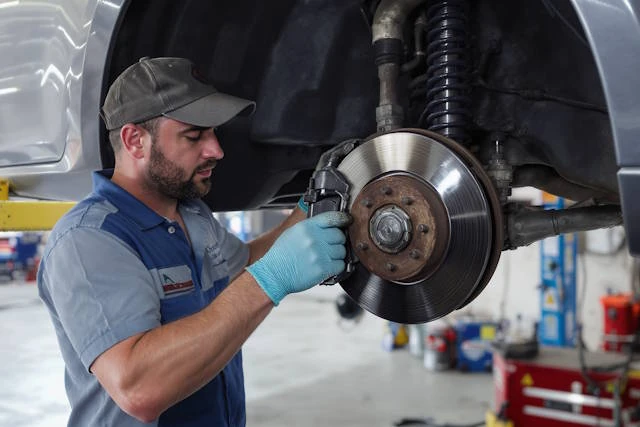
The pads are the first part of the braking system to wear out. They are responsible for physically pressing against the disc and translate the pressure on the pedal into an actual stop. When they are too thin‚ reaction time increases and the heat generated during braking rises‚ which can warp the disc and reduce efficiency. Quality pads maintain stable friction even in extreme conditions. That is why it is important to have a professional inspection that confirms the pads are the right thickness and that the material they are made of suits the type of car and the driving conditions.
How Brake Fluid Affects System Response
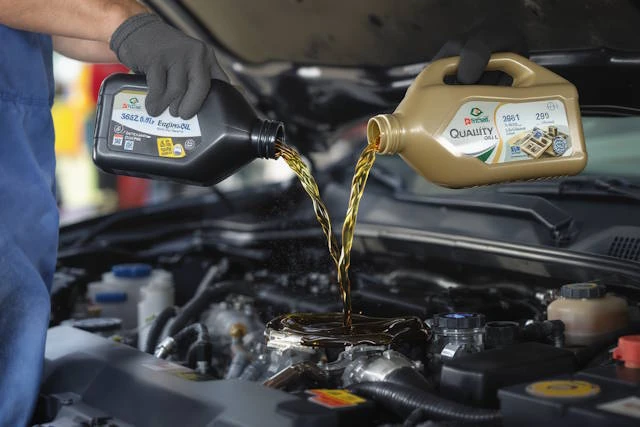
Brake fluid is the link between pressing the pedal and the braking action itself. Old or contaminated fluid loses its ability to transmit pressure effectively‚ which can cause a "spongy" feeling when braking. It is recommended to replace the fluid every two years or according to the manufacturer's instructions‚ because over time it absorbs moisture that lowers its boiling point. This loss of efficiency can lead to sudden brake failure in extreme situations - something a simple inspection can prevent.
Choosing a Reliable Garage for Regular Inspections
A brake inspection requires professional equipment and a thorough understanding of the system. A certified garage will examine the condition of the discs‚ pads‚ hoses‚ reservoirs and fluids. It will also make sure there is no vibration‚ squealing or unevenness between the wheels when stopping. Good garages use pressure measurement and diagnostic devices that can detect hidden defects before they develop into a fault. Choosing a reliable garage ensures not only an accurate repair but also transparency and peace of mind.
How Road Conditions Affect Brake Wear
City driving‚ with its frequent stops and traffic jams‚ speeds up brake wear. Highway driving‚ by contrast‚ causes slower wear but exposes the brakes to high heat during hard braking. Driving in wet conditions or hilly terrain also calls for extra attention. Understanding your driving conditions lets you set the frequency of inspections according to the actual strain on the system.
The Link Between the Braking System and Other Parts of the Car
Brakes are not an isolated system. They work together with the tires‚ suspension and steering. Worn tires or incorrect tire pressure can reduce road grip and cause uneven braking. The suspension also affects how force is distributed between the wheels when stopping. That is why a full vehicle inspection is better than checking the brakes alone - it ensures that all the supporting systems work together in harmony.
How Temperature Affects Brake Performance
When braking‚ the friction between the pads and the disc generates heat that can reach very high temperatures. Overheating can cause a temporary weakening of the brakes‚ a phenomenon known as "brake fade." Keeping the pads and discs in good condition prevents overheating and maintains a consistent response. Modern cars have temperature sensors and control systems that warn of heat overload - but the responsibility for regular inspection remains with the driver.
How Good Driving Habits Affect Brake Wear
Driving style also affects the life of your brakes. Smooth driving based on gradual slowing and keeping a safe distance extends the life of the pads and reduces the risk of overheating. Hard‚ late braking‚ by contrast‚ speeds up wear. Adopting smoother driving habits not only improves your sense of confidence but also saves money and maintenance time. It is a simple habit that can significantly extend the life of your brakes.
Noises and Unusual Sensations When Braking
A squealing noise‚ vibration or a feeling of being "pulled" to one side when braking are early signs of a problem. Sometimes it is worn pads‚ and sometimes a slightly warped disc or contaminated brake fluid. Drivers who notice these signs early and deal with them prevent more serious problems. A regular inspection makes it possible to find the exact source of the problem and fix it before it develops into a dangerous situation.
The Link Between Brake Maintenance and Saving Money
Regular brake inspections save money in the long run. Preventive care is far cheaper than repairing a system that has failed. A properly working braking system also improves driving efficiency‚ reduces fuel consumption and prevents related damage to other parts of the car. Consistent maintenance is not just a safety matter but a financial one‚ and it is one of the most worthwhile investments any driver can make.
The Environmental Side of Proper Maintenance
Worn brakes release metal particles and brake dust that pollute the air. A well-maintained system reduces these emissions and contributes to a cleaner environment. On top of that‚ efficient braking reduces wasted energy and the need for frequent part replacements. In this way‚ even a simple action like a regular inspection becomes a responsible act toward the environment.
In Summary
Regular brake checks that prevent surprises on the road are one of the most important steps for staying safe. The braking system needs constant attention‚ even when there are no outward signs of a problem. Proper maintenance‚ timely fluid changes and professional inspections ensure an accurate response in every situation and prevent unnecessary risks. Brakes are not just a technical system - they are the guarantee of the peace of mind that lets you drive with confidence‚ knowing that every stop will happen at exactly the right moment.