Steady Steps That Strengthen Your Sense of Confidence
How a steady walking pace‚ breathing‚ posture and regular practice when walking or running build a stronger sense of self-confidence.
The Meaning of Steady Movement
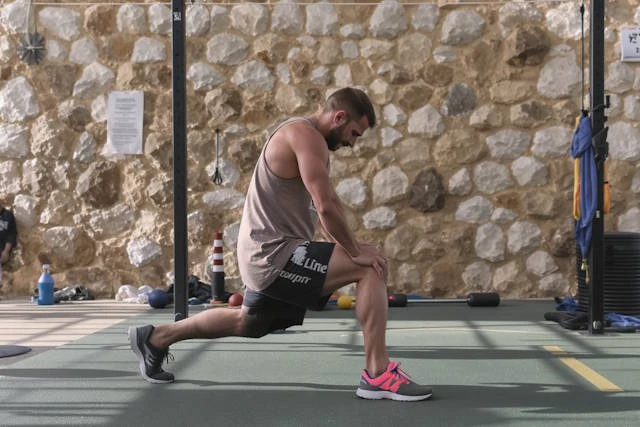
Steady movement creates a natural sense of confidence. When the body moves at an even pace‚ the brain recognizes it as a sign of control. There are no sharp movements and no lack of coordination‚ and the whole system works in harmony. This evenness also affects your mood - it brings calm‚ reduces tension and gives a sense of wholeness. In sports‚ every precise movement conveys confidence to those around you‚ but above all to the person performing it. This confidence comes not only from strength but from a precise pace and full control of movement.
The Link Between Breathing and an Even Step
Steady breathing is an integral part of the right stepping pace. When breathing blends with movement‚ the body enters a state of flow. Coordinating the pace of walking or running with the rhythm of breathing creates a sense of calm and focus. Athletes report that once they find their exact pace‚ they can keep going longer and feel light. Breathing symbolizes inner control‚ and the step is the outward expression of that same control. Combining the two creates a sense of confidence that is built from within the body.
Choosing a Personal Pace
Every person has a different pace. Some prefer fast movement‚ while others find balance in a moderate pace. Choosing the right pace is a process of listening to your body. Exercise that does not match your personal pace can create a feeling of unnecessary effort and even discomfort. On the other hand‚ when the movement suits a person's inner nature‚ confidence grows. The right pace is not only a physical matter but an emotional one too - it reflects how a person feels about themselves and the world around them.
How Music Affects the Evenness of Movement
Music sets a rhythm and affects how the body moves. When walking‚ running or working out‚ the tempo of a song directly affects the length of your stride and the rhythm of your breathing. The sounds create a framework that strengthens focus and allows evenness over time. Studies have found that music with a steady beat improves performance and boosts confidence. It makes the brain "sync" the body with the sound‚ creating a steady and efficient pattern of movement. This is not just about enjoyment but a powerful tool for managing movement and state of mind.
How the Ground Affects Confidence in Your Steps
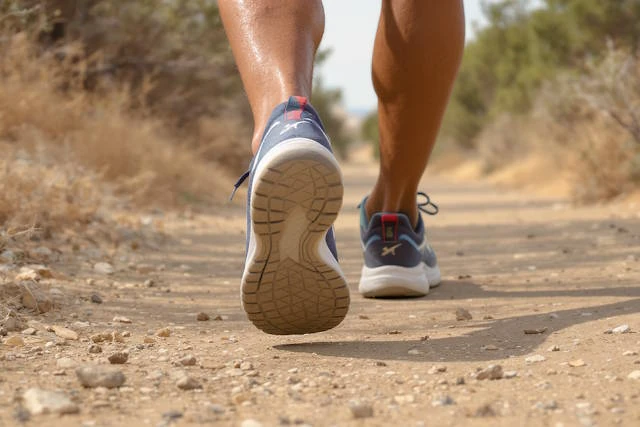
The surface you walk on affects your sense of confidence no less than the pace. Walking on stable ground allows precise steps‚ while uneven terrain demands extra concentration. Over time‚ as you get used to different types of surfaces‚ a natural confidence develops even on open or unpredictable ground. The body learns to respond quickly‚ keep its balance and make small corrections without losing its pace. This is confidence that comes from adaptation‚ from understanding that every change is part of the overall movement.
The Link Between Coordination and Self-Confidence
Coordination is not only a physical ability but also a key to a sense of confidence. When you have full control over your movement‚ every action seems simpler. Even mistakes become a natural part of the process rather than something that shakes your confidence. Coordination between the arms‚ legs and breathing creates a sense of wholeness in which every part of the body "knows" its role. This is confidence built not by thinking about the result but by enjoying the movement itself.
How Repeated Practice Affects Precision of Movement
Evenness comes from repetition. Regular practice of steady steps‚ whether walking‚ running or another workout‚ creates muscle memory. The body starts to act automatically‚ without conscious effort. This process frees your mind from thinking about "how to move" and lets you focus on "what you feel while moving." The longer the practice continues‚ the greater the precision and the stronger the confidence. The movement becomes natural‚ the flow continues and control turns into inner quiet.
The Link Between Posture and Confidence
Posture affects how a person feels and behaves. A straight back‚ a raised head and a steady stride convey confidence not only to those around you but also to yourself. The body sends the brain messages of stability and control‚ and the brain responds with a real sense of confidence. Research in the field of body psychology shows that a change in posture affects your sense of capability. That is why steady steps are not just a physical exercise but an emotional tool that teaches body and mind to work together.
How the Environment Affects Coordination of Movement
The environment also affects the pace of your steps and your sense of confidence. Open spaces‚ familiar paths or calming scenery all create a sense of comfort that allows relaxed movement. Crowded or noisy places‚ by contrast‚ increase tension and break the rhythm. That is why it is important to choose an environment that supports natural movement and a sense of stability. The more pleasant and safe the surroundings‚ the lighter the movement and the greater the confidence.
How Group Movement Affects Pace and Confidence
When a group moves together‚ a shared energy forms. The steady steps of a group create a sense of belonging and strengthen the confidence of each of its members. The shared pace provides psychological support and helps everyone keep going. Each participant feels part of something bigger‚ which allows them to carry on even when the effort increases. This is confidence that comes from social connection and the unified pace of collective movement.
The Link Between Awareness and Movement
Every steady movement has a dimension of awareness. When you focus on the pace and the feeling of the ground beneath your feet‚ full presence in the moment emerges. Body and mind unite‚ and the head clears of excess thoughts. This quiet awareness boosts confidence because it reminds the body that it is in control. In this way‚ movement becomes not only physical training but also a practice of mindfulness and emotional stability.
In Summary
Steady steps that strengthen your sense of confidence are much more than a sports technique. They symbolize harmony between body and mind‚ between action and focus. Every steady step is an inner statement of presence‚ confidence and control. Evenness is not rigidity but a precise softness that lets the body move freely and with full confidence. This is the foundation on which proper movement is built - stable‚ calm and full of confidence‚ staying with you off the field and in every area of life.