One Rug That Defines the Feel of a Home
How a single well-chosen rug changes the feel of a home through color‚ texture‚ size‚ material and lighting‚ and how to care for it.
The Link Between Texture and the Soul
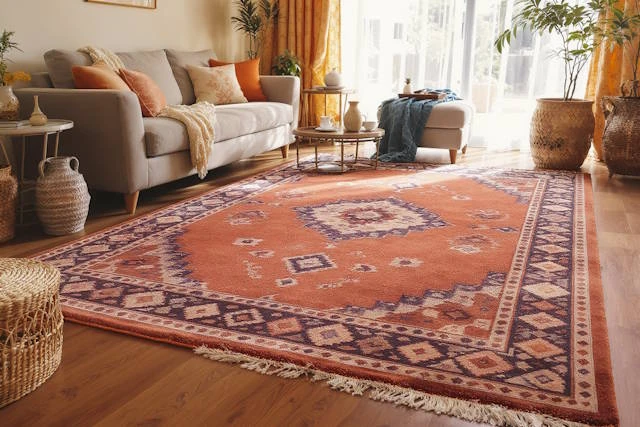
A good rug is not just a design accessory - it creates a sensory experience. Texture affects mood just as music or lighting does. The warm touch underfoot in the morning‚ or the softness that comes with sitting down in the evening‚ creates a sense of security. Even the look itself‚ whether smooth or richly textured‚ affects the brain on an emotional level. In the modern world‚ where floors are cold and bare of decoration‚ the rug brings back something human. It invites you to stop‚ sit‚ play with the children or put down a book. It is not just an item but part of the daily experience that defines the character of the whole home.
Choosing Colors That Shape the Atmosphere
Color has the power to change a feeling instantly. A rug in light shades gives a sense of space and light‚ while a dark rug creates depth and warmth. A combination of soft colors helps keep things calm‚ whereas strong contrasts bring energy and movement. When choosing a rug‚ it is important to think not only about matching the furniture but about the feeling you want to convey. Is the goal warmth? Calm? A sense of luxury? Every shade has a psychological effect. Texture and fiber density also play a role. The right combination of the two can turn a simple space into a center of comfort and elegance.
How Size and Placement Affect the Sense of Space
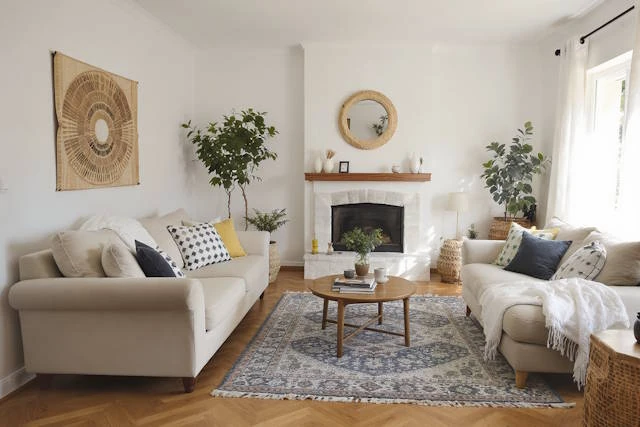
A rug is also an architectural tool in every sense. It defines zones‚ creates soft boundaries and connects pieces of furniture. In a small room‚ a wide rug creates a sense of space. In a large living room‚ several smaller rugs can create different seating areas. Placement matters no less than the choice itself. A rug placed slightly under the sofa creates a sense of continuity. One in the center of the room with no furniture on it draws attention and gives a feeling of openness. In the kitchen or hallway‚ too‚ a long narrow runner brings life to passages that usually look dull.
Where Tradition Meets Modern Design
The rug carries a long history. For hundreds of years it was a symbol of luxury‚ tradition and fine handwork. Today it fits into modern design worlds and changes according to personal taste. On the one hand‚ Oriental rugs add a nostalgic character; on the other‚ light geometric rugs suit contemporary spaces. Combining old and new makes it possible to create design depth. For example‚ a handmade rug under minimalist furniture adds human warmth to a cool aesthetic. This creates a balance between memory and innovation - between culture and comfort.
Choosing Materials That Last for Years
Beyond aesthetics‚ it is important to think about durability too. A quality rug is a long-term investment. Natural materials such as wool‚ cotton or jute offer pleasant comfort and resistance to wear. Modern synthetic materials‚ on the other hand‚ allow easier maintenance and lower prices. The choice between them depends on your lifestyle - a home with small children or pets needs a rug that is easy to clean‚ while a quiet space can enjoy the softness of natural fibers. The thickness of the rug also affects the feel: a thick rug creates warmth‚ while a thin one suits areas that call for lightness and movement.
The Rug as a Focus of Personal Identity
Every home is a story‚ and the rug is one of the elements that tells it without words. It reflects personal taste‚ memories‚ cultures and even values. Some people choose patterns with symbolic meaning‚ while others prefer clean designs that convey calm. When a rug is chosen with awareness of values and not only of beauty‚ it becomes part of the home's identity. It is no longer a side element but a center that connects style‚ people and life itself.
How Proper Care Affects a Rug's Lifespan
A rug needs care to keep its beauty. Gentle cleaning and regular vacuuming keep it in shape for years. Every few months it is worth rotating it to prevent wear in one spot‚ especially in high-traffic areas. Professional cleaning once a year can also preserve texture and color. A clean rug not only looks better - it also affects the air in the home‚ allergies and the overall feel. Proper care keeps the rug from becoming just another old item and makes it a piece that remains part of the home for many years.
Rugs in the Shared Spaces of the Home
In the living room‚ the entrance or the dining area‚ the rug affects the shared experience. It anchors attention and defines the space where people meet and talk. Even in places where you would not expect a rug - such as the kitchen or a study - it adds a touch of warmth and softens the acoustics. In homes with open spaces‚ the rug makes it possible to create the feeling of a "room within a room" without building walls. It brings order and harmony to places with constant movement of people and furniture.
The Link Between a Rug and Light
Lighting affects the way a rug is perceived. Soft light brings out the texture‚ and direct light highlights the colors. A dark rug in an overly bright room may look harsh‚ while a light rug in dim light gives a sense of softness. The right combination of lighting and rug defines the character of the entire room. Warm lighting over a rug in natural tones creates a coziness reminiscent of an intimate café. Under cool light‚ on the other hand‚ the colors take on a contemporary and crisp look.
Summary
One rug that defines the feel of a home is not just a design addition - it is the heart of the space. It affects mood‚ the sense of comfort and the connection between people and the place where they live. Choosing the right rug‚ with thought given to color‚ texture‚ size and material‚ creates a balanced‚ pleasant and unique space. In the end‚ a rug is not just a decorated floor - it is the emotional foundation of the home. Every step on it is a reminder of why a home is not only a place to live but a place to feel.