A Small Repair Done Right Saves Follow-Up Work
Why a small repair done on time and with care saves money‚ time and stress and protects your home from problems that keep coming back.
The Impact of Immediate‚ Precise Treatment
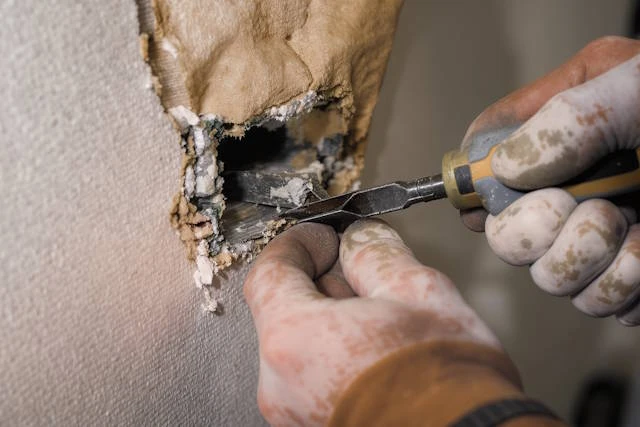
When a fault is spotted and dealt with right away‚ before it spreads‚ the knock-on damage that would come later is avoided. A repair carried out at an early stage saves not only work but also energy‚ time and material costs. A simple example is a small damp patch on the ceiling: if it is treated in time‚ it is a light renovation job; if it is ignored‚ it can turn into structural damage that requires replacing an entire ceiling. An experienced professional knows how to identify the exact moment to act and to take the right step without delay. They understand that every small delay grows into a big problem‚ and that precision in the details prevents a chain of unnecessary repairs.
Choosing a Thorough Approach Even in Simple Situations
A small repair is a test of professional approach. Someone who takes even the tiniest details seriously will probably treat large projects the same way. Thorough work depends not on the size of the task but on the character of the worker. When a professional takes the time to check the source of the problem and not just the symptom‚ they prevent it from recurring. Plumbing offers a good example: replacing just a washer will fix a leak for a week‚ but cleaning the pipes or tightening the faucet properly will provide a permanent solution. That is the difference between "fixing" and "solving".
How Repair Quality Shapes a Professional Image
Customers remember not only the result but also how long the result lasts. A repair done right holds up over time and creates a sense of confidence in whoever did it. By contrast‚ when a problem returns shortly after the repair‚ trust is shaken‚ even if it was a simple fault. The quality of the smallest job reflects on all the rest of the work. A professional who understands this builds a reputation for reliability‚ because customers know that even a small job will be done as if it were an important project.
The Link Between Precision and Saving Money
A proper repair is an investment that quickly pays for itself. Instead of performing the same action over and over‚ one professional repair saves repeat visits‚ unnecessary materials and lost time. For the customer‚ too‚ this is a direct saving. In a broader sense‚ precision also prevents wear on equipment and on the work environment. When every action is performed precisely‚ there is no need for repeated intervention. This is an advantage that builds up over time and is felt in every field‚ from building maintenance to car or machine repairs.
Choosing the Right Tools and Preparing in Advance
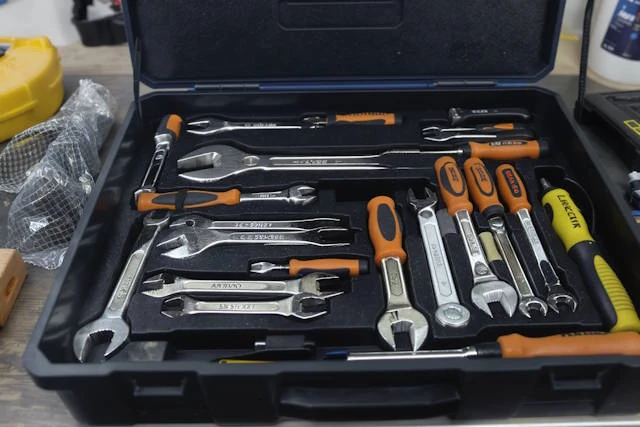
One of the most striking differences between an amateur and a professional is preparation. A small repair done with the right tools and planned in advance ensures an accurate‚ durable result. By contrast‚ trying to "improvise" a solution with whatever is at hand can do more harm than good. Advance preparation includes checking the work area‚ choosing suitable materials‚ using safety equipment and matching the method to the type of problem. Even when it comes to a single screw or replacing a small part‚ the planning stage is what separates a successful repair from one that will have to be redone.
The Psychological Effect of Clean‚ Precise Work
When a repair is carried out in an orderly way‚ with attention to every detail‚ a sense of confidence develops in both the customer and the professional. The work proceeds calmly‚ without pressure and without the feeling of a "temporary patch". Customers can sense when work is done calmly and professionally‚ and this increases their trust and satisfaction. The psychology of precision also affects the quality of the work: someone who works out of a habit of care tends to keep a high standard even under pressure. So even when the task is simple‚ there is a sense of completeness in the work that carries over into every other area.
Preventive Maintenance as a Work Culture
A small repair done right is part of a wider work culture‚ a culture of preventive maintenance. Instead of chasing problems as they appear‚ an experienced professional works to keep things stable over time. They identify the places where wear is likely to appear and deal with them in advance. Preventive maintenance saves both heartache and expense. When every repair is treated as an opportunity to improve the whole system‚ every small action becomes a meaningful step toward reliability and safety.
The Connection Between a Small Repair and Great Service
Customers tend to remember the small moments: the time the professional spent checking beyond what was needed‚ or the time they patiently explained what happened and why. When a small repair is carried out in a spirit of service‚ it creates a positive experience that leads to more jobs and referrals. Good service does not depend on the size of the job. A professional who gives every customer the same level of attention‚ even for a small job‚ demonstrates true professionalism. Every repair is an opportunity to build trust and establish a relationship based on quality and responsibility.
The Effect on Safety and Peace of Mind
A proper repair is not just aesthetic or technical; it is also about safety. A loose electrical wire or an untightened screw can become a real hazard. A professional who is careful at every stage of the process‚ even when the problem seems minor‚ ensures a safer workplace and home. Knowing that every small thing has been checked and done properly brings peace of mind. There is no need to double-check or worry that the problem will come back. That sense of security is worth more than any short-term saving of money or time.
Continuous Learning as Part of Improving Precision
True professionals do not see a small repair as a routine task but as an opportunity to learn. Every repair has something to discover: a new material‚ a more efficient technique or a new tool that can improve the next job. This kind of attention separates mechanical work from craftsmanship grounded in understanding. An approach of continuous learning ensures that every repair‚ even the smallest‚ adds to overall experience and to the steady improvement of professionalism. This creates a cycle of excellence that starts with small details and leads to big results.
In Summary
A small repair done right that saves follow-up work is much more than a technical act; it is an expression of a complete approach of responsibility‚ thoroughness and respect for the work. Every such repair proves that true professionalism is measured in the details‚ and that no job is too small to be done properly. Whether it is replacing a simple part‚ a cosmetic fix or a targeted treatment‚ investing a few more minutes and thinking one step ahead prevents dozens of hours of future repairs. A professional who adopts this approach gains a clear advantage: they project reliability‚ deliver results that last and build a name that speaks for itself.