Perfect Team Coordination That Keeps an Event Running Smoothly
How clear roles‚ real-time communication‚ early preparation and an experienced manager help event teams deliver a seamless event.
The Link Between Coordination and Event Expectations
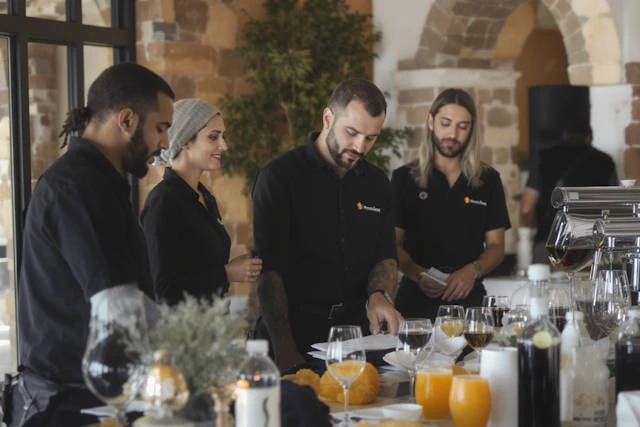
Guests arrive at an event expecting a pleasant experience‚ but behind the scenes a complex system is at work that demands great precision. Coordination between the teams is what ensures that every part of the system works at the right time and at the right pace. When the waiters know when the courses go out‚ the lighting technician understands how the evening unfolds and the music is timed to the mood of the crowd‚ a smooth flow is created that gives the event a sense of professionalism and completeness. This kind of coordination does not happen by itself - it is built through planning‚ communication and responsibility. Every team understands its own place‚ but also the wider context in which it operates. This creates a synergy that lets every detail flow without clashing with the others.
Choosing a Clear Work Structure
One of the keys to successful coordination is a precise definition of roles and authority. When every team knows exactly what it is responsible for‚ when it goes into action and whom it works with‚ order is created. At events where the boundaries are unclear‚ overlaps‚ delays and sometimes mistakes noticed by the guests occur. A clear work structure allows controlled flexibility. Every team works independently but understands its impact on the whole. It is a system based on trust - not only between people but between different fields: between cooking and design‚ between sound and service.
The Importance of Real-Time Communication
Even the most carefully planned event can change in an instant. That is why‚ beyond planning‚ continuous communication is needed. Two-way radios‚ constantly updated schedules‚ an advance briefing and team leaders on site are all tools that allow an immediate response. When communication works well‚ even a last-minute change - an extra guest‚ a short power cut or a change in the music - is handled smoothly. The event keeps flowing‚ and no one from the outside notices. Good communication is not only technical but emotional too - the ability to speak respectfully‚ listen and cooperate toward a common goal.
How Coordination Gives Guests a Sense of Security
Guests may not see what goes on behind the scenes‚ but they feel the result. When the teams work in perfect coordination‚ a calm atmosphere is created and guests feel secure. The service is fast but not rushed‚ transitions are smooth and everything happens at the right moment. That feeling that "everything works" creates a sense of ease. It lets guests let go of control and enjoy the moment‚ knowing they are in professional hands. In this sense‚ coordination between teams is not just an organizational matter but an integral part of the service experience itself.
The Link Between Coordination and Event Aesthetics
When the teams are in sync‚ visual beauty emerges as well. Every element in the space works in harmony with the others - the light falls on the tables at the right moment‚ the music swells exactly when needed‚ the dishes arrive when the guests are ready for them. This is a dynamic aesthetic based on precise rhythm‚ not just on design. In this sense‚ perfect coordination is a kind of art of movement. It turns the event into a well-timed orchestra in which every action‚ even the smallest‚ contributes to the overall harmony.
How Professional Leadership Shapes Coordination
Perfect coordination between teams is not a matter of luck - it comes from leadership. The presence of a professional event manager who deeply understands the needs of each department makes it possible to bridge different interests. They know when to speed up‚ when to calm things down and when simply to listen. A manager like this is not a commander but a conductor. Their job is to listen to the instruments‚ make sure each one is heard and guide everyone to a single tempo. When one guiding hand holds all the strings‚ the event flows‚ even if dozens of actions are happening at the same time in the background.
Coordination at Family Events Versus Business Events
The nature of the event affects the dynamics between the teams. At family events‚ where the atmosphere is emotional and warm‚ softer and more accommodating coordination is needed - an approach based on intuition and an understanding of human moments. At business events‚ by contrast‚ impeccable precision‚ strict timekeeping and visual consistency are required. In both cases the principle is the same: cooperation is the key. The type of event means nothing if the people who make it up do not share a common language.
Advance Preparation as the Basis for Successful Coordination
The foundation for any successful coordination is laid long before the first guest arrives. Preparation meetings‚ precise task allocation‚ an advance briefing and testing different scenarios all create solid ground. Teams that work together from the preparation stage develop mutual understanding. They know how each person thinks‚ spot problems in advance and know how to support each other in real time. Investing in the preparation stage saves countless mistakes on the day of the event itself.
Team Coordination as a Lasting Professional Value
Good coordination does not end when the event does. It creates a work culture that carries on. Teams that have learned to work together harmoniously bring that calm to every further project. They know how to rely on each other‚ listen and respond correctly. In this sense‚ a successful event is also a school of professionalism. Every good piece of coordination today builds better cooperation tomorrow.
To Sum Up
Perfect coordination between teams that produces a smooth event is the foundation of true success. Behind the scenes of every glittering evening stands a precise human system built on communication‚ listening and partnership. When everyone understands their role and also its importance in the bigger picture‚ the event runs calmly and efficiently. There is no need to impress with words or gimmicks - the synchronization speaks for itself. It creates a sense of harmony that can be felt in every detail‚ from the waiter's smile to the last note of music. This is not only a question of organization but of humanity - knowing how to work together‚ understand one another and jointly create an experience that is truly smooth‚ precise and perfect.