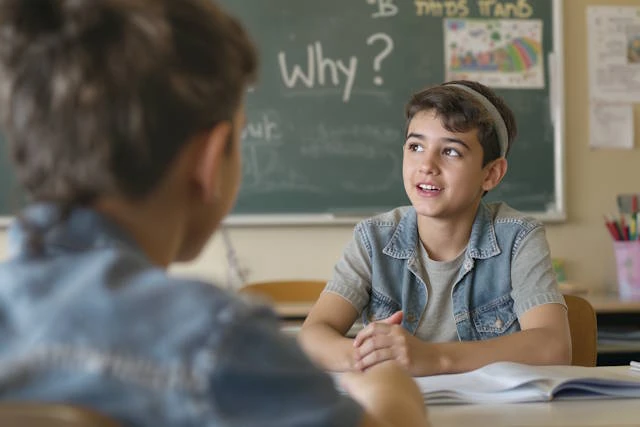
Rereading Old Material That Reveals New Insights
Why returning to a familiar text after some time uncovers new meaning‚ strengthens memory and sharpens critical thinking.
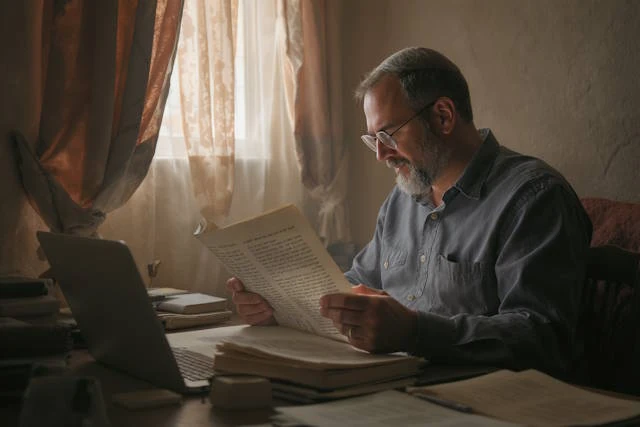
The Link Between Life Experience and Fresh Understanding
Over the years‚ every person gathers experiences‚ emotions and new insights. When you go back and read old material‚ the experience you have gained shapes the way you read. A text that once seemed simple may reveal an emotional or intellectual depth that was not visible before. Past mistakes also take on a different meaning‚ and the lessons learned from them deepen understanding. In this way‚ rereading becomes a tool for personal growth - not just memorizing knowledge but continually processing a changing reality.
How Distance in Time Affects the Way We Absorb Ideas
The gap between the first and second reading allows the brain to process the information again from a fresh angle. With time‚ a separation forms between what is remembered and what is truly understood. Ideas that seemed all too obvious the first time now gain a wider context. Sometimes the very things that seemed forgotten resurface and connect with new insights. The second reading is not just a repetition - it is a chance to look at the road the reader has traveled since last time.
Choosing Material Worth Returning To
Not every text is worth rereading‚ but some material comes alive every time it is read again. These are texts written with deep thought‚ or ones that touch on universal questions. Rereading a text like this shows how rich it is - the more you read it‚ the more layers it reveals. Choosing material that challenges your thinking lets you experience reading as continuous growth‚ not a technical exercise.
How Emotional State Affects Understanding
Every reading is shaped by the state of mind you are in at the time. A text read in a calm period will be interpreted differently from one read during a time of stress or change. When you reread‚ two points in time meet - then and now. The gap between them makes it possible to recognize progress‚ a change in perspective and even a degree of emotional healing. Rereading is not only about learning; it is also deeply personal and human.
The Link Between Rereading and Critical Thinking
Going back to old material lets you test what you learned in the past against new knowledge. It is an exercise in critical thinking - not taking what is written for granted but asking whether it is still true‚ whether it is still relevant and whether it can be understood differently. Every new reading is a chance to apply healthy doubt‚ ask new questions and engage with different opinions. It is a way to make learning dynamic and ongoing‚ even outside the classroom or a formal course of study.
The Role of Memory in Rereading
Memory is not a static store of knowledge but a living system that changes over time. When you reread‚ the brain compares what it remembers with what is in front of it and updates the information accordingly. This is how new learning happens. Every time the brain corrects or strengthens an old memory‚ it builds a more accurate web of understanding. It is not a repetition of the past but a rebuilding of it from the present.
How Rereading Supports Long-Term Learning
Rereading improves long-term memory. When the brain meets the same information again‚ it stores it more deeply and strengthens the neural connections. But it is not only about memory - the second reading moves knowledge from the level of surface recognition to the level of deep understanding. Pupils and students who practice rereading find that they understand more‚ even in subjects they thought they had already "finished learning".
Comparing Rereading with Listening Again
The phenomenon is not limited to written texts. When you listen to a lecture‚ watch a video or read old notes‚ the experience also changes over time. The brain picks up different things each time. Listening again lets you notice details you missed‚ the tone‚ the connections or a message that slipped past. Just as rereading deepens understanding‚ an experience heard again brings new clarity.
The Link Between Rereading and Creativity
The second reading encourages creative thinking. When the brain meets a familiar text‚ it is freer to interpret it anew‚ add connections and ask questions. Familiarity opens the possibility of breaking boundaries - of seeing what was not seen before. Sometimes it is precisely when there is no effort to understand that a door opens to new ideas. That is why artists‚ researchers and teachers return again and again to old material and find fresh inspiration in it.
The Link Between Rereading and Self-Reflection
When you read a text you have read before‚ an inner mirror appears. Readers see how they themselves have changed. A sentence that once seemed self-evident may now provoke disagreement‚ while an idea that seemed distant suddenly feels close. Rereading is a chance to examine not only the material but also the person reading it. In this way‚ reading becomes a tool for personal growth.
The Educational Side of Mindful Repetition
Teachers and mentors who encourage rereading help students develop depth of thought. Instead of rushing ahead‚ they create an opportunity to stop‚ reflect and strengthen existing foundations. This principle holds true in every field - mathematics‚ literature‚ science and art. Good repetition is not repeating a text but broadening the understanding of it. Learning shifts from a circle to an evolving line‚ in which every round reveals another layer.
How Time Changes the Meaning of Words
Language itself changes too. Words acquire new contexts‚ and expressions lose or gain power. Rereading makes it possible to notice this change and understand how culture‚ era or social context shape the way texts are interpreted. The reader becomes a researcher of language and time and realizes that reading is a living act‚ renewed in every generation and with every pair of eyes that reads.
To Sum Up
Rereading old material that reveals new insights is a journey of self-discovery and lifelong learning. It exposes the connection between time‚ experience and understanding‚ and gives a text new life with every encounter. Every new reading is proof that learning never ends - it changes‚ deepens and expands along with the reader. It is not just a return to the words but a return to ourselves‚ with a broader understanding and eyes that see the same world a little differently.