Deciding to Delay a Purchase Teaches Real Self-Control
How the habit of putting off non-essential purchases builds self-control‚ protects your budget‚ lowers stress and helps the environment.

The Fast Pace of Modern Consumption
Daily life comes with endless messages that encourage instant buying. Sophisticated algorithms identify personal preferences and push them at the perfect moment - when you are tired‚ bored or in need of a moment's comfort. Shopping has become an emotional reaction‚ often taking the place of a real solution to a need.
But within this pace‚ burnout sets in. The satisfaction of a purchase fades quickly‚ and the search for the next thing begins almost immediately. This is exactly where self-control comes in - knowing that you can choose not to buy‚ choose to pause and ask a simple question: do I really need this?
The Psychological Meaning of Delayed Gratification
Delaying a purchase is really a practice in delayed gratification - the ability to wait for a future result instead of giving in to an immediate desire. Many studies have shown that this ability is linked to personal and financial success over time. It teaches patience‚ planning and self-reflection.
When you stop for a moment before buying‚ an important mental process takes place - emotion separates from reason. Instead of acting on impulse‚ a conscious choice becomes possible. In that moment‚ the automatic reaction gives way to real understanding: is this a genuine need‚ or a passing desire driven by outside influence?
Choosing Financial Freedom
Every purchase consciously delayed is an expression of independence. It says that the control lies with you‚ not with advertising or brands. When you choose to wait‚ you are in effect redefining your personal financial system - what really matters‚ what is unnecessary and what is worth the investment.
This freedom is not measured in money alone but in a sense of security. Knowing that you can stop before a financial decision conveys stability and reduces anxiety. Those who develop this habit discover that the pleasure of things chosen with thought is many times greater than the pleasure of an impulsive purchase.
The Link Between Conscious Decisions and Wellbeing
Beyond the financial side‚ delaying a purchase has a direct effect on peace of mind. The flood of products‚ deals and "must have now" promises creates a hidden sense of pressure. When you manage to rise above that urge‚ an inner sense of control emerges that is calming.
The mind is freed from regret and tension‚ and the feeling grows that life is moving at the pace you want‚ not the pace the market dictates. For many people‚ simply avoiding an unnecessary purchase is a kind of release - not only from the expense but from needless clutter in the head‚ the heart and the home.
The Financial Advantage of Patience
In an age when almost every product is offered with rotating discounts‚ waiting pays off not only emotionally but financially too. Deals come and go‚ but those who wait sometimes find that the price drops‚ that a cheaper quality alternative turns up or that the need itself disappears.
Delaying a purchase also allows better budget planning. When you give up instant gratification‚ you keep the ability to direct money toward truly meaningful goals - savings‚ health‚ a vacation or a long-term investment. In this sense‚ waiting is not giving something up but investing in future financial peace.
The Environmental Impact of Moderate Consumption
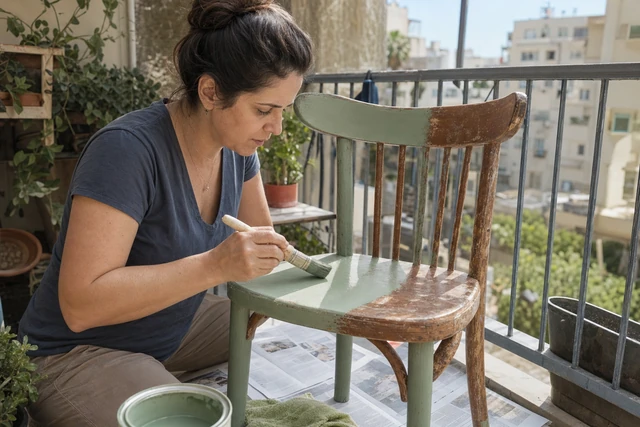
The environment is part of this story too. Delaying purchases reduces demand for mass production‚ cuts waste and promotes responsible use of resources. Instead of replacing items frequently‚ a culture of maintenance‚ repair and reuse develops.
This trend is not just an environmental fad - it reflects a way of life that recognizes the value of resources. Conscious consumption reinforces the understanding that every purchase is a moral choice‚ not just a convenience. It is a simple yet profound way to make a difference in the world without waving slogans.
How to Spot an Unnecessary Purchase in Real Time
To delay a purchase‚ it is first important to recognize when the urge to buy comes from a passing impulse. An effective method is to ask three questions:
- Do I really need this right now?
- Will I still use it in six months?
- Would I buy it even if it were not on sale?
If at least one answer is no‚ it is probably an emotional rather than a rational purchase. In these cases‚ waiting a day or two before buying is enough to clear the fog. Very often‚ after a short time‚ the urge passes - and the money stays where it belongs.
The Link Between Financial Control and Personal Confidence
Delaying a purchase strengthens your inner sense of confidence. It creates a habit of self-control that carries over into other areas of life - diet‚ time management and relationships. The ability to say "not now" conveys an inner strength that does not depend on outside circumstances.
In a world saturated with stimuli‚ this is a rare trait that becomes a powerful tool. It teaches the brain to think ahead and to prefer a lasting outcome over a momentary one. In the end‚ real control is not measured by how much you buy but by how well you can let go when you do not need something.
Ways to Make Delaying a Daily Habit
To turn the decision to delay purchases into a habit‚ it helps to set simple‚ clear rules. For example: wait 48 hours before any non-essential purchase‚ buy only after comparing prices or plan a monthly list of needs in advance.
Habits like these help you keep a clear mind in the face of outside temptations. Over time they become natural - just like conscious breathing. Every small delay builds an inner muscle of self-control that grows stronger with each further well-considered decision.
To Sum Up
Deciding to delay a purchase that teaches real self-control is not only a smart financial step but a mindful way of life. It reflects a deep understanding of the difference between need and want‚ between the moment and the long term‚ and between pressure and patience. It breaks the cycle of automatic consumption and puts control back in the right hands.
In the end‚ every time you choose to wait‚ a small shift takes place in your mind. It is a quiet victory over impulses‚ over advertising and over the urge to fill a void right away. Those who practice it discover that a life with fewer purchases is not a life with less - but a life with more calm‚ more control and more meaning.